

Famous UNESCO World Heritage Sites attract travelers eager to experience extraordinary places, but their popularity can make visits feel rushed and crowded. Fortunately, remarkable historic landmarks and natural wonders exist beyond the busiest tourist routes. From ancient settlements to remote mountain landscapes, lesser-known destinations offer opportunities for more relaxed exploration. Several UNESCO-listed sites deserve consideration from travelers who value cultural discovery, beautiful surroundings, and room to appreciate what makes each place special.
Joya de Cerén Archaeological Site, El Salvador
Often compared with Pompeii, Joya de Cerén offers a fascinating glimpse into everyday life in ancient Central America. Around the seventh century, a volcanic eruption buried this farming community beneath layers of ash, preserving buildings and household objects. Unlike famous archaeological complexes centered on temples and royal monuments, this site reveals how ordinary people lived, prepared food, and organized their communities. Its exceptionally preserved archaeological remains earned it UNESCO World Heritage recognition in 1993.
Located in western El Salvador, Joya de Cerén offers travelers an alternative to the region’s better-known ancient monuments. Visitors can explore excavated structures and learn about the community’s agricultural practices without navigating an enormous archaeological complex. Its relatively compact layout makes it suitable for a focused cultural excursion. Combining the visit with nearby attractions can create a rewarding day of historical exploration without concentrating the entire itinerary on one famous landmark.
Banská Štiavnica, Slovakia
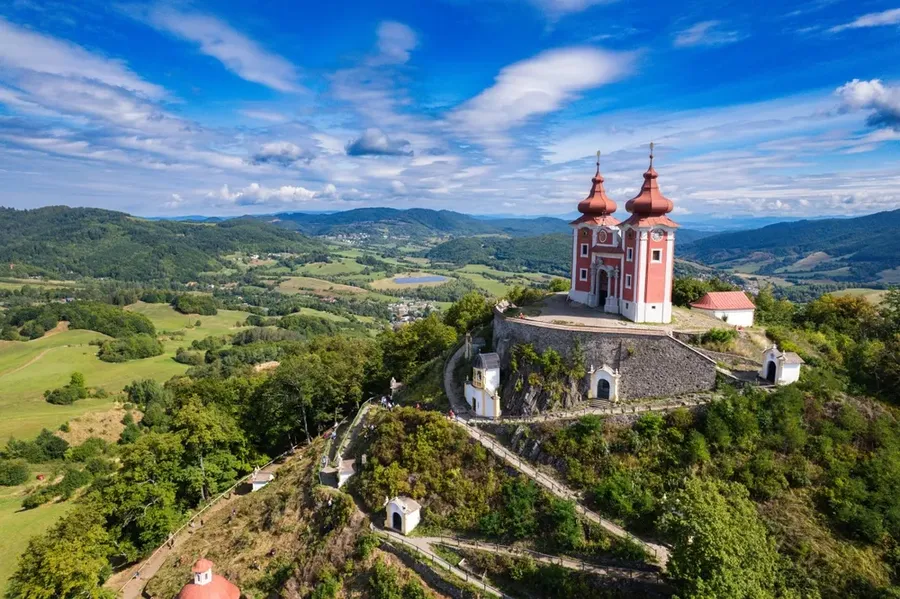
Tucked into the hills of central Slovakia, Banská Štiavnica combines medieval streets, Renaissance buildings, historic churches, and centuries of mining heritage. Once an important center for extracting precious metals, the town developed an elaborate network of mining facilities and water reservoirs. Its distinctive relationship between architecture and industrial history contributed to its UNESCO World Heritage designation in 1993.
Visitors can explore the historic center, admire the Old and New Castles, and discover how mining shaped the surrounding landscape. Unlike major European capitals where sightseeing often involves crowded transportation and heavily visited attractions, Banská Štiavnica lends itself to a slower walking itinerary. Spending a night in town provides additional time to appreciate its architecture and local atmosphere. Travelers should still expect more visitors during festivals, weekends, and popular holiday periods.
Rock-Hewn Churches of Ivanovo, Bulgaria
Northern Bulgaria contains a remarkable collection of medieval religious spaces carved directly into limestone cliffs. Near the village of Ivanovo, monks created churches, chapels, and living quarters within the rocky landscape. Several chambers contain elaborate medieval paintings, including outstanding examples of 14th-century religious artwork. The Rock-Hewn Churches of Ivanovo received UNESCO recognition in 1979 for their artistic and historical significance.
The site offers a different experience from Europe’s grand cathedrals and famous monasteries. Exploring the accessible chambers brings visitors close to historic frescoes while the surrounding countryside provides a peaceful setting. The location near Ruse makes it practical to include on an itinerary through northern Bulgaria. However, access can involve steep paths and stairways, so visitors should check current conditions and physical requirements before arriving. Conservation restrictions may also limit which spaces can be entered.
L’Anse aux Meadows, Canada
At the northern tip of Newfoundland, L’Anse aux Meadows preserves evidence of a Norse settlement established approximately 1,000 years ago. Archaeological discoveries revealed the remains of timber-framed buildings covered with turf, demonstrating that Norse explorers reached North America centuries before Columbus. The UNESCO-listed archaeological site provides an unusual combination of early transatlantic history and rugged coastal scenery.
The location’s remoteness can be an advantage for travelers seeking an experience away from major sightseeing circuits. Visitors can learn about Norse exploration, view reconstructed buildings, and appreciate the windswept Atlantic landscape. Reaching the site generally involves a substantial drive along Newfoundland’s Great Northern Peninsula, so it works best as part of a longer road trip. Seasonal operations and changing weather make advance planning important, particularly outside the main summer travel period.
Wrangell-St. Elias National Park, Alaska
Travelers drawn to dramatic wilderness may prefer Alaska’s Wrangell-St. Elias National Park and Preserve over more heavily promoted natural attractions. The park forms part of a vast UNESCO World Heritage property shared between Alaska and western Canada. Its protected landscapes include towering mountains, extensive glaciers, and habitats supporting a wide variety of wildlife. The internationally recognized protected area encompasses some of North America’s most impressive glacial environments.
Despite its immense size, reaching the park’s interior requires preparation. Visitors can explore accessible areas around Copper Center or venture farther along the McCarthy and Nabesna roads. These routes offer scenic landscapes and access to historic sites, but road conditions and available services require careful consideration. The National Park Service’s road guidance helps travelers understand vehicle requirements and potential restrictions. This destination particularly rewards visitors comfortable with remote environments and flexible itineraries.
How to Experience UNESCO Sites With Fewer Visitors
Choosing a lesser-known destination does not guarantee an empty attraction. Local holidays, organized tours, special events, and seasonal conditions can concentrate visitors even at relatively remote sites. Traveling on weekdays, arriving near opening time, and avoiding major holiday periods can improve the chances of a quieter experience. Checking official visitor information before departure also helps identify temporary closures or access restrictions.
Another useful strategy involves staying overnight near the heritage site instead of visiting exclusively on a day trip. This provides greater flexibility when selecting visiting hours and creates opportunities to experience nearby communities. Travelers should also respect conservation rules, remain on designated paths, and avoid entering restricted areas. A less crowded visit is most rewarding when the site’s cultural or natural importance remains protected.
Discovering World Heritage Beyond the Tourist Hotspots
UNESCO recognition extends far beyond the world’s most photographed monuments. Places such as Joya de Cerén, Banská Štiavnica, Ivanovo, L’Anse aux Meadows, and Wrangell-St. Elias demonstrate how varied these protected destinations can be. Each provides a compelling reason to explore somewhere outside the most familiar travel routes.
For American travelers willing to venture beyond conventional itineraries, these destinations offer distinctive history, landscapes, and cultural experiences. Thoughtful timing and realistic planning can make visits more comfortable while allowing additional time to appreciate the heritage that makes each location extraordinary.